Cultural Traditions Shaping Promotional Tactics for Classic Card Table Games
Written by Sam Beck · Sep 22, 2026
Cultural Traditions Shaping Promotional Tactics for Classic Card Table Games
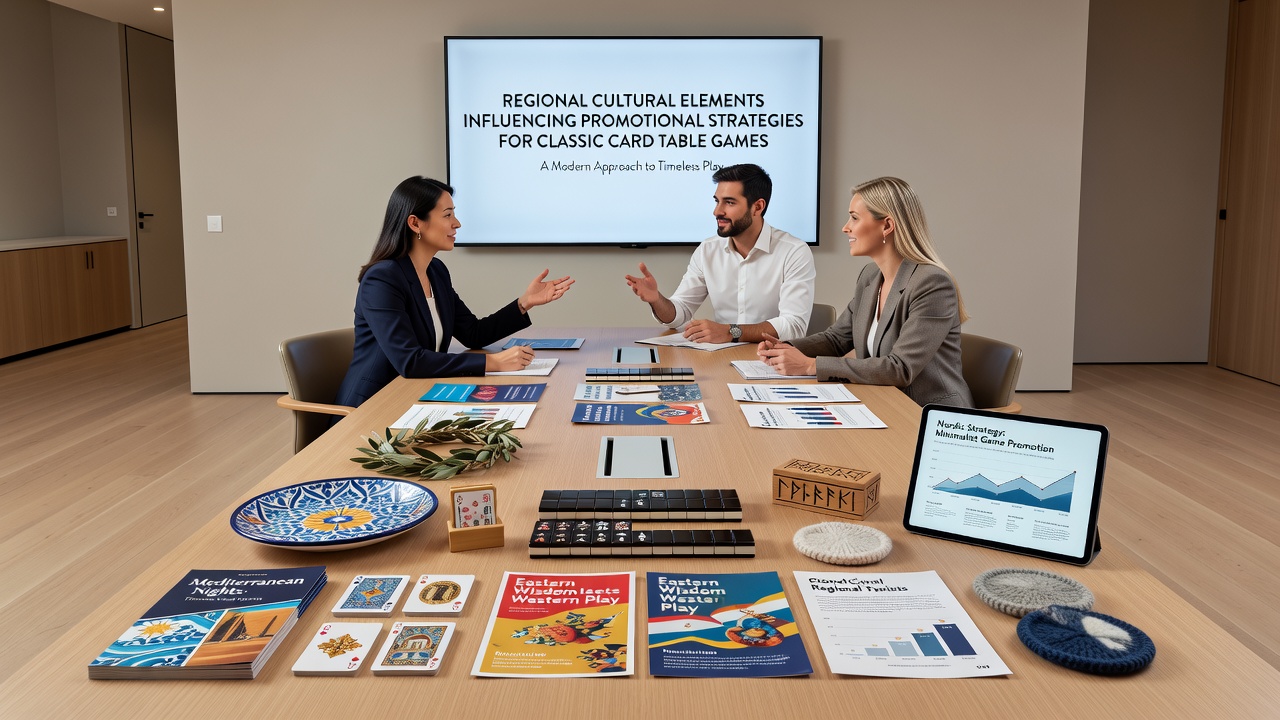
Regional cultural elements continue to guide how operators design promotions for classic card table games such as poker and blackjack, with operators adjusting offers to align with local values and social patterns. In North America, campaigns often emphasize individual achievement and competitive spirit, drawing from longstanding traditions of personal success and high-stakes competition that trace back to frontier-era gatherings. Data from the American Gaming Association shows that player loyalty programs in this region frequently incorporate tiered rewards based on solo performance metrics, while seasonal events tie into major sporting calendars like the Super Bowl to boost participation in table game rooms.
North American Market Patterns
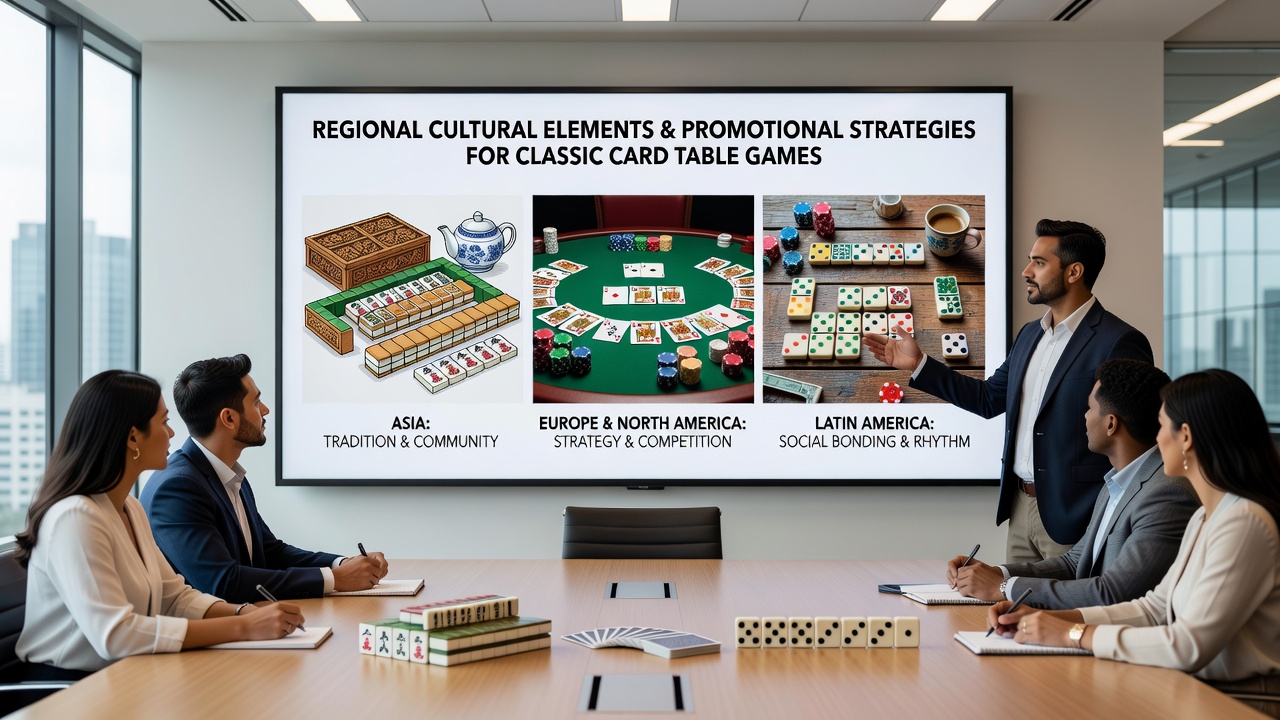
Operators in the United States and Canada integrate elements of frontier individualism into their strategies, creating promotions that reward personal milestones such as consecutive wins or high-volume play sessions. Nevada Gaming Control Board reports from September 2026 indicate steady growth in customized bonus structures for poker rooms, where players receive tailored incentives based on individual session data rather than group participation. These approaches reflect broader societal emphasis on self-reliance, leading to marketing that highlights exclusive access or personalized challenges instead of communal events.
European Historical Ties
European markets draw from centuries-old social club traditions when crafting promotions for games like blackjack and rummy variants. Campaigns in countries such as France and Germany often feature elegant, understated messaging that echoes historic casino culture from the 19th century onward. Research from the European Gaming and Betting Association reveals that operators frequently schedule promotions around cultural festivals and heritage months, using refined imagery and loyalty structures that prioritize long-term membership over flash rewards. This method connects with audiences who value continuity and sophistication in leisure activities.
Asian Community-Focused Strategies
Across parts of East and Southeast Asia, promotional tactics for classic card table games lean heavily on collectivist principles that prioritize group harmony and shared experiences. Operators adjust offers to include family-oriented packages or community tournaments, aligning with cultural norms around social bonding during holidays and gatherings. Figures from regional industry analyses in September 2026 highlight increased use of multi-player reward pools in markets where group play traditions remain strong, with incentives structured around collective achievements rather than solo wins.
These adaptations appear in timing as well, since many promotions coincide with festivals like Lunar New Year or harvest celebrations that encourage communal participation. Operators report higher engagement when messaging incorporates symbols of prosperity and togetherness drawn from longstanding regional customs.
Latin American and Additional Regional Examples
In Latin American countries, promotional campaigns for card table games often incorporate vibrant social elements rooted in family and festival traditions. Operators schedule events around national holidays and carnival periods, creating group incentives that mirror the lively, relational nature of local gatherings. Canadian regulatory updates from provincial bodies in 2026 further illustrate how similar patterns emerge in diverse markets, where cultural festivals influence the structure of deposit matches and loyalty bonuses for blackjack enthusiasts. Observers note that these strategies help operators maintain relevance by embedding promotions within existing social rhythms rather than imposing generic offers.
Regulatory and Industry Data Considerations
Government reports and trade group analyses underscore the measurable impact of cultural alignment on player response rates. A study referenced by the World Lottery Association connects localized promotional timing with sustained participation across multiple regions, showing that campaigns respecting traditional values achieve broader reach. Those who have examined cross-border operations find that blending global standards with specific cultural markers, such as language nuances or symbolic motifs, supports consistent engagement without diluting core game mechanics.
Conclusion
Regional cultural elements continue to shape how promotions for classic card table games develop across different markets, with operators drawing on historical, social, and communal patterns to refine their approaches. Data compiled through 2026 demonstrates that successful strategies integrate these influences while maintaining regulatory compliance and game integrity. As markets evolve, the connection between local traditions and promotional design remains a consistent factor in how operators present offers to diverse player bases.