Payment Choices Driving Incentive Lifecycles in Global Table Game Applications
Written by Carlo Hayes · Nov 3, 2026
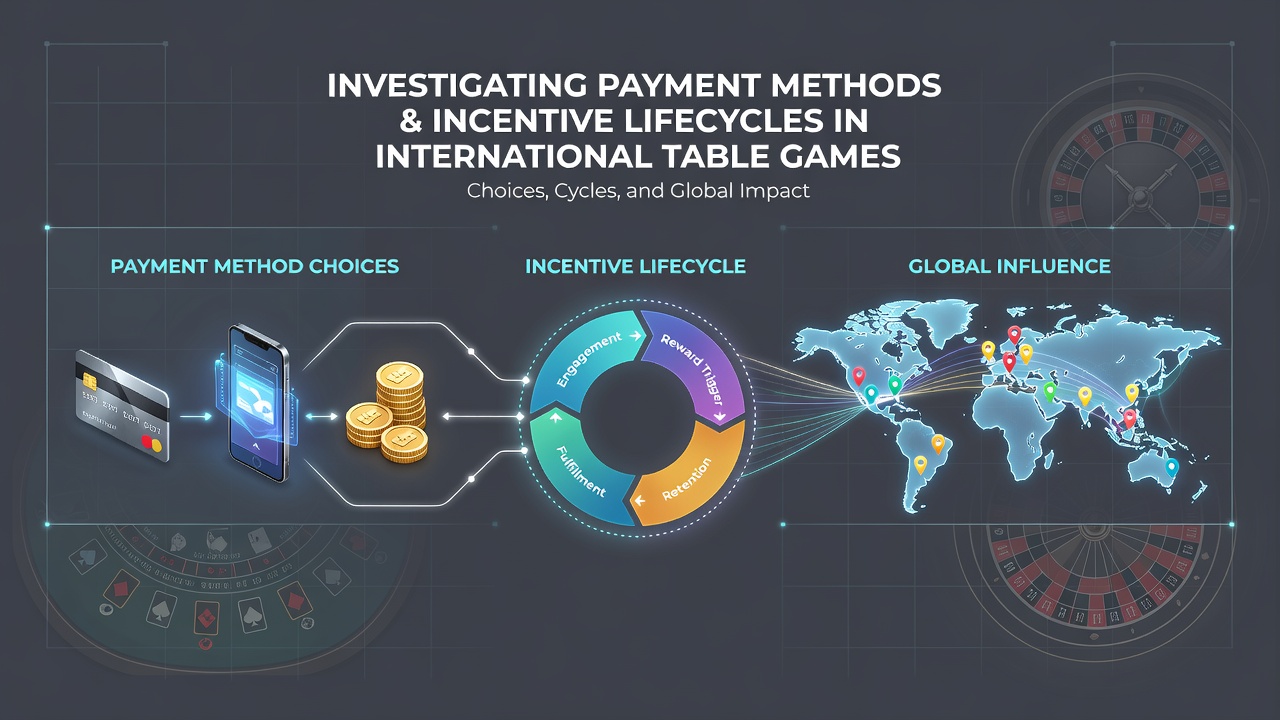
Payment Choices Driving Incentive Lifecycles in Global Table Game Applications
Payment method selections play a central role in determining how incentives progress through their lifecycles within international table game applications, and observers note that transaction speed along with processing reliability directly shapes claim windows, expiration timelines, and fulfillment sequences. Researchers tracking mobile platforms across multiple regions have documented that credit card deposits often trigger immediate bonus activations, whereas bank transfers introduce delays that compress the overall promotional period available to users.
Transaction Processing Patterns Across Regions
Data compiled from operators in Asia, Europe, and North America shows distinct variations in how different payment rails interact with incentive structures. E-wallet options such as those popular in Southeast Asian markets tend to accelerate the transition from deposit to bonus credit, which in turn extends the usable window before wagering requirements reset. In contrast, cryptocurrency transfers recorded in November 2026 exhibited higher volatility in confirmation times, sometimes shortening incentive lifecycles when network congestion pushed fulfillment past standard expiration thresholds.
Industry reports indicate that applications serving Latin American audiences rely heavily on local bank integrations, and these methods frequently include additional verification steps that delay reward allocation. The resulting compression forces players to complete playthrough conditions within tighter timeframes compared to users in markets where instant funding predominates.
Incentive Allocation Mechanics and Funding Sources
Studies conducted by academic teams examining live dealer environments reveal that the source of funds influences both the size and duration of allocated incentives. Deposits made through prepaid cards commonly receive lower-tier bonuses with shorter validity periods, while direct bank account links unlock extended cycles that allow gradual progression through reward tiers. Observers tracking usage statistics note that this tiered approach appears consistently across platforms operating in regulated jurisdictions.
One analysis of application data from the first three quarters of 2026 found that users opting for digital wallets completed incentive cycles at rates 18 percent higher than those using traditional cards, primarily because faster crediting preserved more of the original promotional window. Yet platforms employing hybrid payment gateways sometimes offset these advantages through automatic extensions tied to specific funding methods.
Regulatory Influences on Payment and Reward Interactions
Regulatory frameworks in different jurisdictions impose requirements that further modulate how payment choices affect incentive lifecycles. The Nevada Gaming Control Board maintains standards requiring clear disclosure of processing times for each accepted method, which operators incorporate into their promotional terms to avoid disputes over shortened cycles. Similar provisions appear in guidelines issued by Singapore's Casino Regulatory Authority, where documentation must specify how deposit speed correlates with bonus expiration.
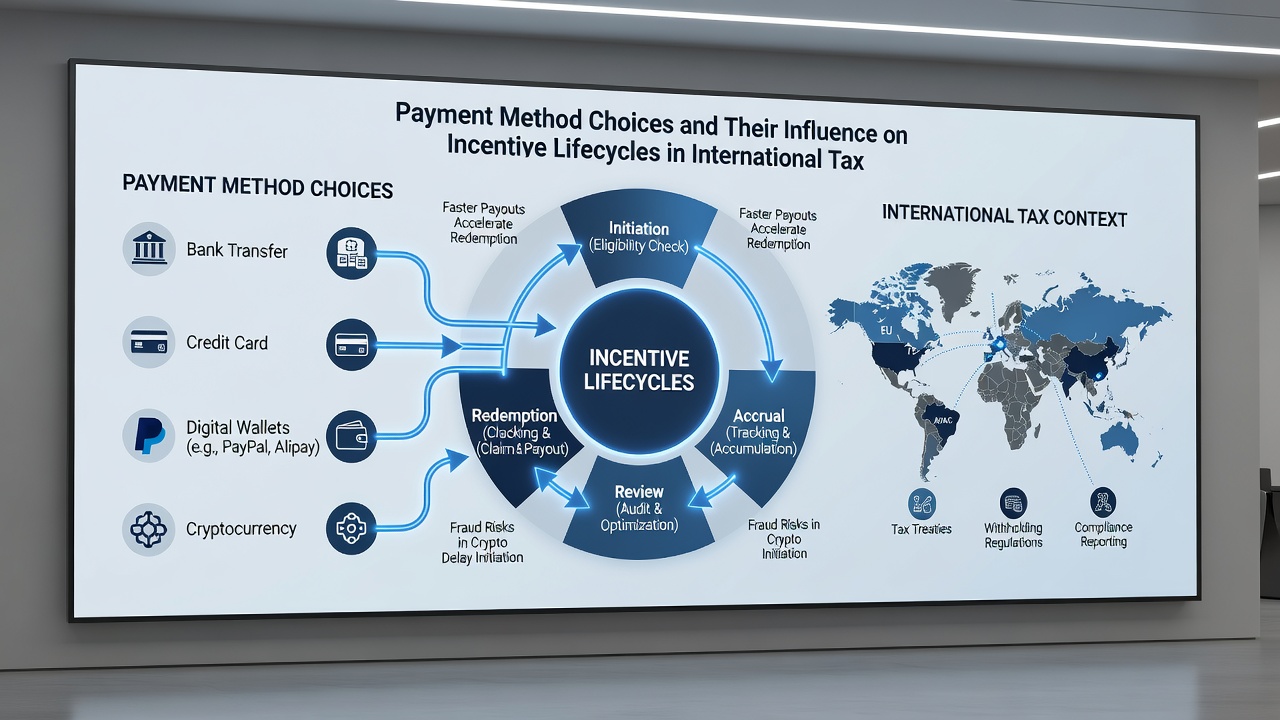
European operators under Malta Gaming Authority oversight have introduced standardized reporting that tracks payment method performance against incentive fulfillment metrics, and these reports demonstrate measurable differences in cycle completion rates depending on whether users select instant or deferred funding routes.
Platform Adaptations and User Behavior Data
Application developers have responded to these patterns by embedding payment-specific logic into their incentive engines. Systems now adjust bonus validity periods automatically based on the selected deposit channel, a practice documented in technical documentation released by several major providers during late 2026. Users who switch between multiple methods within a single session encounter hybrid lifecycles where initial fast funding extends an incentive while a subsequent slower transfer triggers an earlier reset.
Figures released by research institutions studying digital gaming ecosystems show that table game applications incorporating real-time payment feedback achieve higher overall incentive utilization, because the system can recalibrate remaining time and wagering targets as soon as the deposit clears. This adaptive approach reduces instances where users lose access to rewards solely due to processing lags.
Conclusion
Payment method choices continue to exert measurable influence over incentive lifecycles in international table game applications, with processing characteristics determining claim speed, validity duration, and completion rates across varied regulatory environments. Continued monitoring by industry bodies and academic researchers will likely refine understanding of these interactions as new transaction technologies emerge.